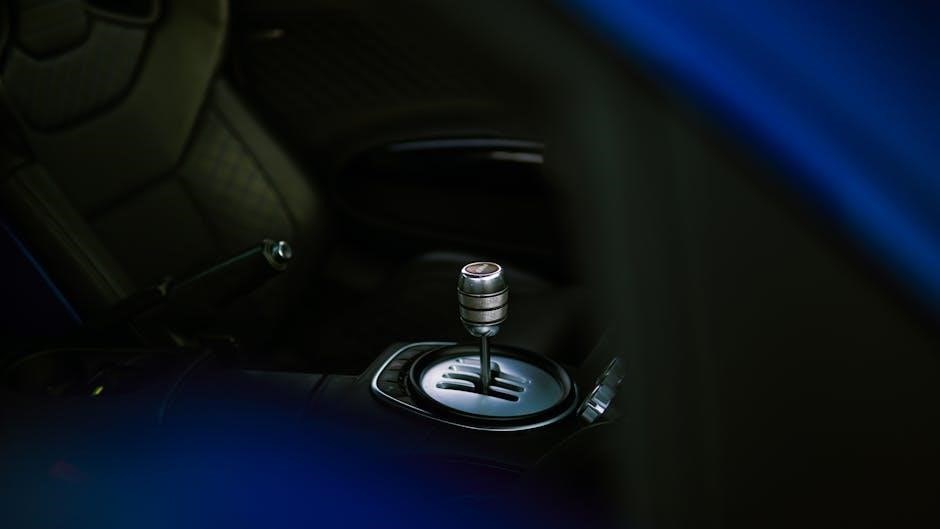
2015 manual transmission cars
2015 Manual Transmission Cars: A Comprehensive Overview
In 2015, despite the rise of automatics, several manufacturers still offered compelling cars with manual transmissions․ Enthusiasts found options like the Ford Mustang, Volkswagen Golf, and Honda Fit readily available․
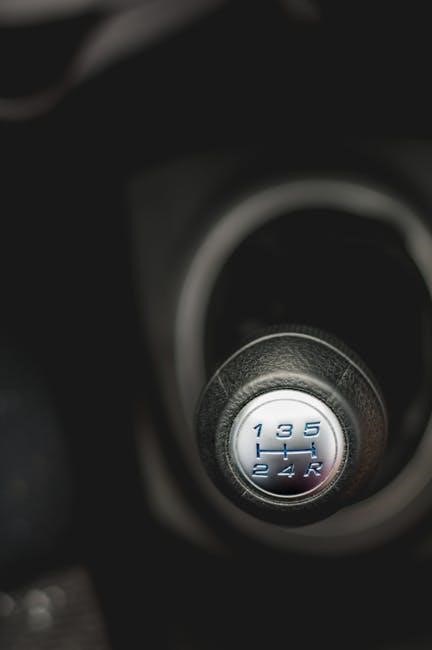
Jeep and Nissan also maintained manual offerings, while the Mazda MX-5 Miata and Subaru BRZ catered to sports car lovers․ Porsche even provided a manual Cayman․
These models represented a shrinking, yet vibrant, segment of the automotive market, appealing to drivers seeking a more connected and engaging experience․
The 2015 automotive year presented a fascinating crossroads for manual transmissions․ While automatic transmissions, including continuously variable transmissions (CVTs), were rapidly gaining dominance due to their convenience and, increasingly, their efficiency, a dedicated core of manufacturers continued to offer vehicles with a traditional stick shift․ This wasn’t simply a matter of clinging to the past; it reflected a deliberate choice to cater to a specific segment of drivers – those who valued driver engagement, control, and a more visceral connection to the driving experience․
Several factors contributed to this landscape․ Modern automatic transmissions were becoming increasingly sophisticated, often matching or even exceeding the performance of manual gearboxes in acceleration and fuel economy․ However, the appeal of a manual transmission extended beyond purely quantifiable metrics․ It offered a sense of involvement that many drivers found deeply satisfying․
In 2015, the availability of manual transmissions varied significantly across different vehicle segments․ Sports cars, like the Mazda MX-5 Miata and Subaru BRZ, almost universally offered a manual option, recognizing its importance to their target audience․ More mainstream vehicles, such as the Ford Mustang and Volkswagen Golf, provided a manual as a viable alternative, acknowledging the continued demand from enthusiasts․ The situation was becoming increasingly rare, though, with many manufacturers phasing out manual options in favor of automatics․
The Declining Popularity of Manual Transmissions
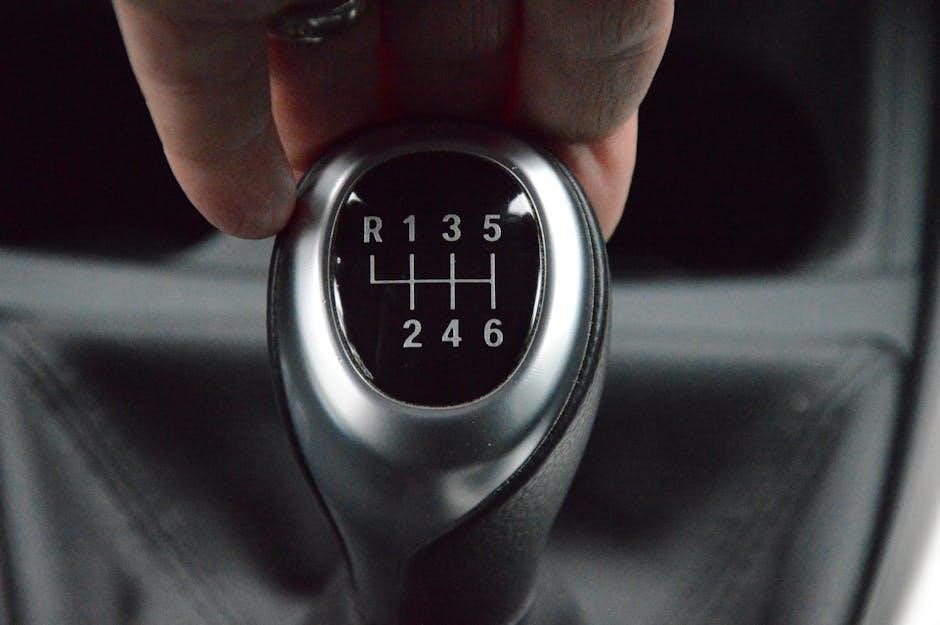
By 2015, the decline in manual transmission popularity was demonstrably accelerating․ The automotive industry was undergoing a significant shift, driven by advancements in automatic transmission technology and changing consumer preferences․ Modern automatics offered smoother, faster shifts, and often, improved fuel efficiency, challenging the traditional advantages of a manual gearbox․
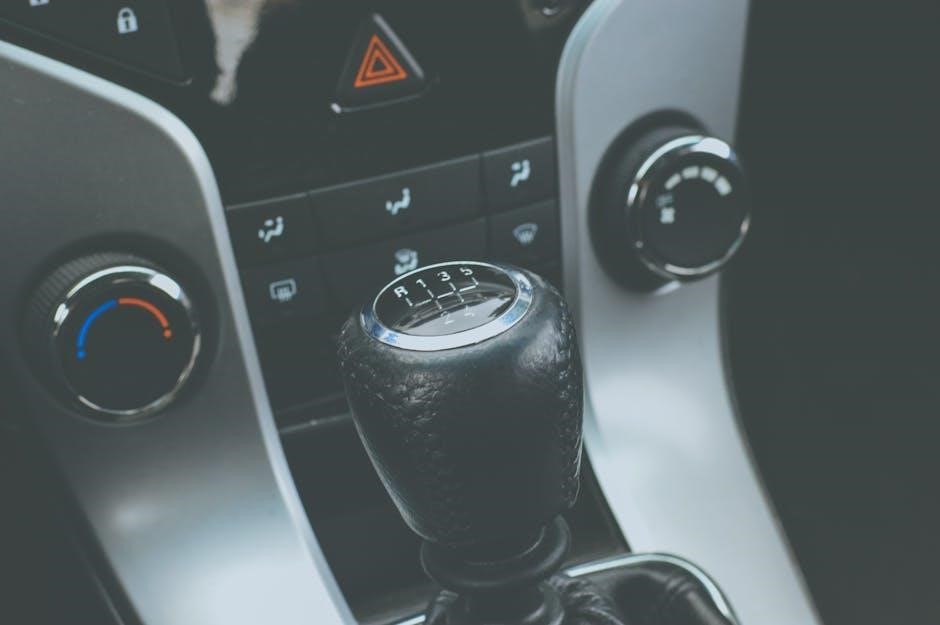
This trend mirrored a broader societal move towards convenience and ease of use․ As traffic congestion increased in urban areas, the appeal of a clutch pedal and manual gear changes diminished for many drivers․ Automatics simplified the driving experience, reducing driver fatigue and allowing for greater focus on surrounding traffic․
Furthermore, the rise of CVTs provided a seamless and continuously variable gear ratio, further eroding the performance gap between automatics and manuals․ The perception of manual transmissions as being solely for “enthusiasts” or “purists” solidified, leading to reduced demand and, consequently, fewer models offered with a manual option․ Like film cameras yielding to digital, the manual transmission’s future appeared increasingly uncertain, despite its enduring appeal to a dedicated fanbase․
Benefits of Choosing a Manual Transmission in 2015
Despite their declining market share, manual transmissions in 2015 offered several compelling benefits for drivers․ A primary advantage was increased driver engagement and control․ The direct connection between driver input and vehicle response fostered a more immersive and satisfying driving experience, appealing to automotive enthusiasts․
Furthermore, manuals often provided better fuel efficiency compared to older automatic transmissions, though this gap was narrowing with advancements in automatic technology․ The driver’s ability to select the optimal gear for any given situation allowed for greater control over engine RPM and fuel consumption․
Manual transmissions also typically came with a lower purchase price than their automatic counterparts․ For budget-conscious buyers, this cost savings could be significant․ Finally, many drivers appreciated the increased reliability and simpler mechanics of a manual gearbox, potentially leading to lower maintenance costs over the vehicle’s lifespan․ Choosing a manual in 2015 was a deliberate decision, prioritizing driving pleasure and control over sheer convenience․
2015 Ford Mustang: A Driver’s Choice
The 2015 Ford Mustang represented a significant refresh for the iconic pony car, and the availability of a six-speed manual transmission was central to its appeal for driving enthusiasts․ The EcoBoost model, in particular, offered a compelling blend of performance and affordability when paired with the manual gearbox․
Reviews consistently highlighted the Mustang’s improved handling and responsiveness, further enhanced by the driver’s direct control offered by the manual․ The EcoBoost engine provided ample power for spirited driving, and the manual transmission allowed drivers to fully exploit its capabilities․
The 2015 Mustang’s manual option wasn’t just about performance; it was about connection․ Drivers praised the precise shift feel and the overall engagement it provided; It was a deliberate choice for those seeking a more visceral and rewarding driving experience, solidifying the Mustang’s position as a driver-focused machine․ The 2015 model year was a sweet spot for Mustang enthusiasts desiring a manual transmission․
Mustang EcoBoost Manual Review & Performance
The 2015 Ford Mustang EcoBoost with the six-speed manual transmission garnered positive reviews for its surprisingly potent performance․ While not as powerful as the V8, the turbocharged 2․3-liter EcoBoost engine delivered a spirited driving experience, especially when paired with the engaging manual gearbox․
Reviewers noted the engine’s strong low-end torque, making it responsive in everyday driving situations․ The manual transmission itself was praised for its precise shifts and relatively light clutch pedal, making it accessible for both experienced and newer manual drivers․ Acceleration figures were respectable, offering a fun and engaging experience․
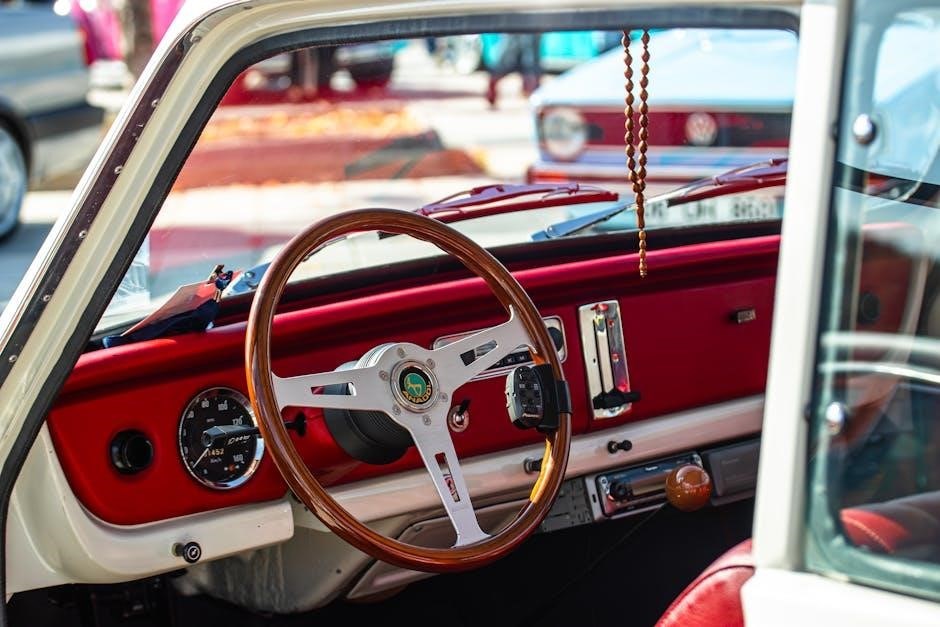
The EcoBoost manual Mustang wasn’t just about straight-line speed; it also demonstrated improved handling characteristics compared to previous generations․ The combination of the turbocharged engine, manual transmission, and revised suspension created a well-rounded sports car that appealed to a wide range of drivers․ It offered a compelling alternative to the V8, particularly for those prioritizing fuel efficiency and affordability․
2015 Volkswagen Golf TSI: A Practical Option
The 2015 Volkswagen Golf TSI presented a compelling case for the manual transmission in a practical, everyday vehicle․ Offering a blend of efficiency, refinement, and driving enjoyment, the Golf TSI with a manual gearbox proved to be a standout choice in the compact car segment․
Tests of the 2015 model revealed a responsive and engaging driving experience․ The manual transmission was noted for its smooth operation and precise shift quality, enhancing the connection between driver and machine․ The turbocharged engine provided ample power for both city and highway driving, while still delivering impressive fuel economy․
Beyond its performance credentials, the Golf TSI excelled in practicality․ Its spacious interior, comfortable ride, and well-equipped features made it an ideal choice for daily commutes and longer road trips․ The availability of a manual transmission allowed drivers to maximize fuel efficiency and enjoy a more involved driving experience, solidifying its position as a sensible and enjoyable option․
Golf TSI Manual Transmission Details & Testing
The 2015 Volkswagen Golf TSI’s manual transmission was a six-speed unit, meticulously engineered to complement the car’s turbocharged engine․ Testing revealed precise gate selection and a relatively light clutch pedal, making it accessible for both novice and experienced manual drivers․ Shifting was smooth and direct, contributing to a satisfying driving experience․
Performance testing demonstrated the manual transmission’s impact on efficiency․ While automatic versions offered comparable acceleration, the manual allowed for greater driver control over fuel consumption․ Full tests, including performance numbers, confirmed the Golf TSI’s responsiveness and agility with the manual gearbox․
Reviewers consistently praised the transmission’s robustness and its ability to handle the engine’s torque effectively․ The gearing was well-matched to the engine’s powerband, providing strong acceleration in all gears․ Overall, the 2015 Golf TSI’s manual transmission proved to be a well-executed component, enhancing the car’s appeal to driving enthusiasts․
2015 Honda Fit: The Versatile Manual
The 2015 Honda Fit, often lauded as the “Swiss Army Knife of Cars,” offered a surprisingly engaging experience with its available six-speed manual transmission․ This transmission perfectly suited the Fit’s nimble character and practical nature, appealing to drivers seeking a fun-to-drive, yet economical, vehicle․
Reviews highlighted the Fit’s manual gearbox as being exceptionally user-friendly, with light clutch action and precise shift throws․ This made it an excellent choice for those new to driving a manual, while still providing enough feedback to satisfy seasoned enthusiasts․ The manual transmission enhanced the Fit’s already impressive fuel efficiency․
The Fit’s versatility was further amplified by the manual, allowing drivers to maximize control in various driving conditions․ Whether navigating city streets or tackling winding roads, the manual transmission provided a direct connection to the engine, resulting in a responsive and enjoyable driving experience․ It was a standout feature in a remarkably practical package․

Jeep & Nissan: Remaining Manual Options
In 2015, Jeep and Nissan represented a dwindling but important segment of the market, continuing to offer manual transmissions in select models․ Jeep provided the option on the Patriot, Compass, and Wrangler, catering to buyers who desired a more connected driving experience, particularly for off-road adventures with the Wrangler․
Nissan, meanwhile, kept the manual alive in the Xterra, a rugged SUV favored for its practicality and off-road capability․ These offerings were significant as many other manufacturers were phasing out manual transmissions altogether․ They provided a crucial outlet for enthusiasts who preferred the control and engagement of a stick shift․
While not the most refined manual transmissions available, those in the Jeep and Nissan models were durable and functional, aligning with the vehicles’ overall character․ They represented a commitment to providing choice for drivers who valued the traditional driving experience, even as the automotive landscape shifted towards automatics․
Jeep Patriot, Compass, Wrangler & Nissan Xterra
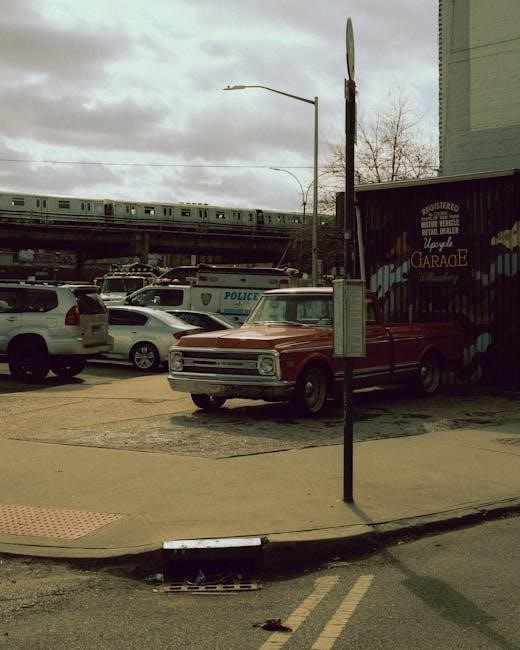
The 2015 Jeep Patriot and Compass offered a five-speed manual transmission on base models, providing an affordable entry point for those seeking a stick shift․ These options were primarily focused on fuel efficiency and basic transportation, appealing to budget-conscious buyers․ However, the Wrangler stood out, offering a six-speed manual as a compelling choice for off-road enthusiasts desiring maximum control over the vehicle’s capabilities․
The Nissan Xterra, similarly, featured a six-speed manual transmission, enhancing its rugged appeal․ This configuration allowed drivers to fully engage with the Xterra’s robust engine and four-wheel-drive system․ These manual options weren’t about speed; they were about connection and control, particularly valuable in challenging terrains․
While these transmissions weren’t known for their refinement, they were durable and reliable, fitting the character of these vehicles․ They represented a last bastion of the manual gearbox in mainstream SUVs, catering to a niche but dedicated group of drivers․
Mazda MX-5 Miata (2015): The Roadster Standard
The 2015 Mazda MX-5 Miata continued its legacy as the quintessential affordable roadster, and a manual transmission was absolutely central to that experience․ A precise, short-throw six-speed manual gearbox was standard, perfectly complementing the Miata’s lightweight chassis and responsive engine․ It wasn’t merely an option; it was the Miata driving experience․
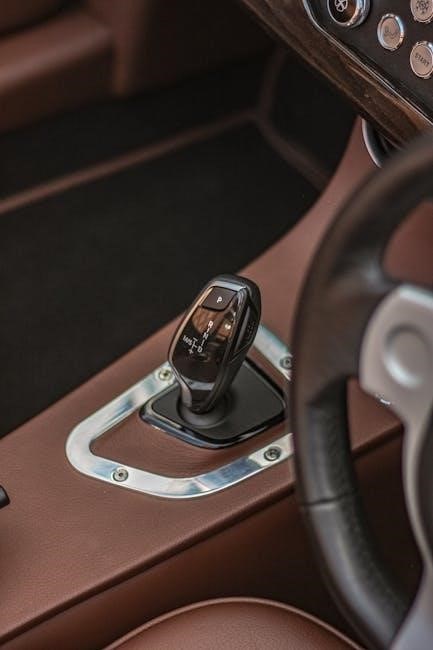
The Miata’s manual transmission fostered a direct connection between driver and machine, enhancing the joy of open-top motoring; Its light clutch pedal and slick shifting action made it accessible to both novice and experienced manual drivers․ The engine’s eagerness to rev, combined with the manual’s precise control, created a truly engaging and rewarding drive․
Critics consistently praised the Miata’s manual transmission for its feel and responsiveness, solidifying its reputation as a benchmark for driver involvement․ It represented a pure, unadulterated driving experience, a testament to Mazda’s commitment to the art of the roadster․
Subaru BRZ (2015): Affordable Sports Car
The 2015 Subaru BRZ, co-developed with Toyota, offered an accessible entry point into the world of rear-wheel-drive sports cars, and the six-speed manual transmission was a key component of its appeal․ It was widely considered the preferred choice for enthusiasts seeking maximum control and engagement․
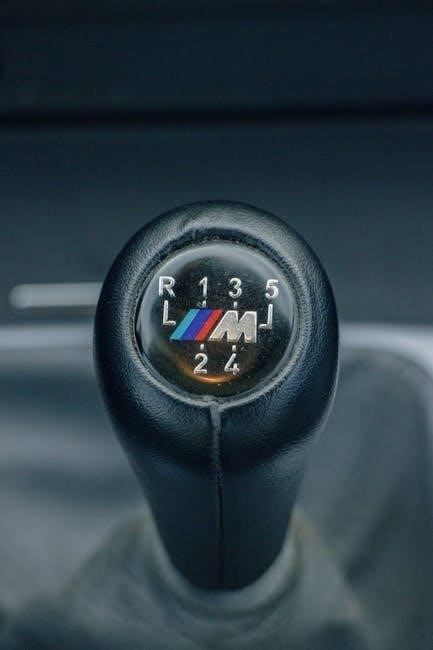
The BRZ’s manual gearbox was praised for its precise shifts and relatively short throws, contributing to a connected driving experience․ While not as refined as some more expensive sports cars, it provided a satisfying mechanical feel that aligned with the BRZ’s focus on driver involvement․ The engine’s responsiveness paired beautifully with the manual’s control․
The BRZ’s affordability, combined with its engaging manual transmission and balanced handling, made it a standout choice for those seeking a fun-to-drive sports car without breaking the bank․ It represented a return to the basics of driving enjoyment, prioritizing feel and connection over outright speed․
Porsche Cayman (2015): Performance and Control
The 2015 Porsche Cayman continued the tradition of offering a sublime driving experience, and the availability of a six-speed manual transmission elevated that experience to another level․ For purists, the manual Cayman represented the purest expression of Porsche’s engineering prowess․
Porsche’s manual gearbox was renowned for its precision, weighting, and overall quality․ Shifts were crisp and direct, allowing drivers to fully exploit the Cayman’s mid-engine balance and responsive chassis․ The manual transmission fostered a deeper connection between driver and machine, enhancing the sense of control․
The 2015 Cayman’s manual option wasn’t merely about tradition; it actively improved the driving experience․ It allowed for precise gear selection during spirited driving, maximizing performance on both the road and the track․ It was a testament to Porsche’s commitment to providing options for driving enthusiasts who valued control and engagement above all else․
The Appeal to Enthusiasts: Why Manuals Still Matter
Even in 2015, as automatic transmissions became increasingly sophisticated, the manual transmission held a special allure for driving enthusiasts․ The core appeal lay in the heightened sense of control and engagement it offered․ A manual gearbox demanded active participation from the driver, fostering a direct connection to the car and the road․
For many, the act of selecting gears wasn’t a chore, but a rewarding part of the driving experience․ It allowed for a greater sense of mastery and a more intimate feel for the car’s performance characteristics․ This tactile involvement simply couldn’t be replicated by an automatic․
Furthermore, manuals often provided a more affordable entry point to performance vehicles․ The enthusiast community valued the simplicity and reliability of manual transmissions, seeing them as a way to preserve the art of driving․ It was about more than just shifting gears; it was about preserving a connection to the automotive past and enjoying a more visceral driving experience․
Fuel Efficiency Considerations: Manual vs․ Automatic
In 2015, the fuel efficiency debate between manual and automatic transmissions wasn’t as clear-cut as it once was․ Traditionally, manuals held an advantage due to their simpler mechanical design and lack of torque converter losses․ However, advancements in automatic transmission technology, particularly with the introduction of more gears and sophisticated control systems, began to narrow the gap․
While some 2015 models, like the Volkswagen Golf TSI, demonstrated comparable fuel economy between manual and automatic variants, the driver played a significant role․ A skilled driver utilizing a manual transmission could potentially achieve slightly better mileage through precise gear selection and engine speed management․
Conversely, an automatic transmission offered consistent efficiency, regardless of driver skill․ Ultimately, the fuel economy difference often depended on specific vehicle models, driving conditions, and individual driving habits․ The perceived benefit of a manual for fuel savings was diminishing, but remained a consideration for some buyers․
Future of Manual Transmissions: A Look Ahead
Looking ahead from 2015, the future of manual transmissions appeared increasingly uncertain․ The automotive industry was rapidly shifting towards automatic transmissions, driven by consumer preference for convenience and the performance advantages of modern automatics․ While a dedicated enthusiast base continued to champion the manual, its overall market share was steadily declining․
Manufacturers were already reducing manual transmission options in many models, focusing resources on developing more efficient and sophisticated automatic systems․ The trend towards electrification and the rise of electric vehicles further complicated the picture, as electric motors don’t require traditional multi-gear transmissions․
Despite the challenges, some automakers, like Mazda with the MX-5 Miata, remained committed to offering manual transmissions as a core part of their brand identity․ However, the long-term viability of the manual hinged on its ability to appeal to a niche market of passionate drivers, while facing continued pressure from the dominance of automatic technology․