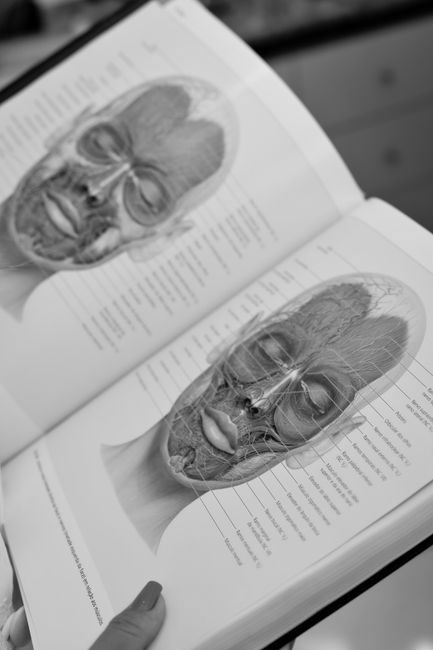
anatomy and physiology for dummies pdf
Book Series Overview
The Anatomy & Physiology For Dummies series offers three titles: the core text, the All‑in‑One edition with online quizzes, and a workbook. Each book simplifies complex biology, features clear diagrams, and supports mobile note‑taking across devices. Readers can download PDFs and explore tools now.!!
Anatomy and Physiology For Dummies Series
The Anatomy & Physiology For Dummies series is a comprehensive, beginner‑friendly guide that breaks down the human body into digestible sections. Written by experts Maggie A. Norris, Donna Rae Siegfried, and Erin Odya, the books combine clear prose, engaging anecdotes, and step‑by‑step illustrations to demystify complex concepts. The core text focuses on foundational anatomy and physiology, while the All‑in‑One edition bundles core chapters with interactive online quizzes and downloadable PDFs for on‑the‑go study. The workbook offers practice questions, flashcards, and summary tables, allowing students to test their knowledge and reinforce learning. Each volume is designed for learning, with a user‑friendly layout that supports highlighting note‑taking across devices. The PDFs are fully searchable, include hyperlinks to key terms, and feature a table of contents for easy navigation. Whether you’re a high‑school student, a first‑year biology major, or a lifelong learner, the series provides a solid foundation and practical tools to master anatomy and physiology concepts.
Readers can access the PDFs through the official Dummies website or e‑book platforms, where they can download or stream the content on any device. Quickly, easy!
With its clear layout and engaging style, the series makes complex biology approachable, helping students build confidence before tackling coursework or clinical practice
Anatomy and Physiology All-in-One For Dummies
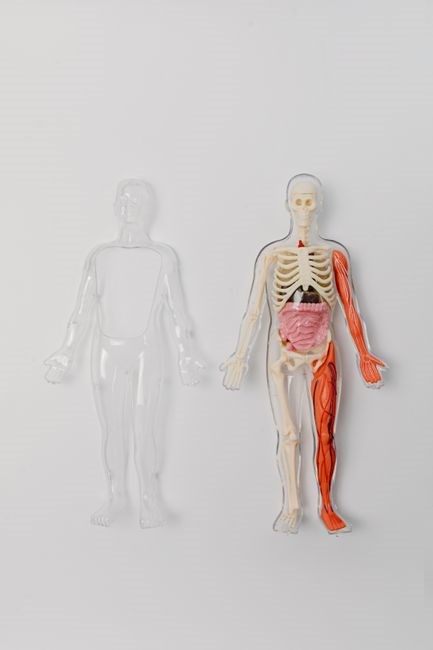
The All‑in‑One edition of Anatomy & Physiology For Dummies is a compact, high‑impact resource that merges the core textbook with interactive elements, making it ideal for self‑study and classroom use. Authored by Erin Odya, the book delivers concise explanations of the circulatory, respiratory, digestive, endocrine, and immune systems, each illustrated with clear diagrams and real‑world analogies. The PDF version is fully searchable, with embedded hyperlinks that jump directly to key terms, allowing students to quickly reference definitions, anatomical landmarks, and physiological processes. The online chapter quizzes are built into the PDF, enabling instant feedback and reinforcing retention. Students can highlight, annotate, and sync notes across web, tablet, and phone, thanks to the integrated e‑book platform. The layout emphasizes active learning: each chapter ends with a “Quick Review” section that summarizes essential points, while the “Take‑away” boxes highlight clinical correlations and mnemonic devices. The All‑in‑One edition also includes a companion workbook PDF, featuring practice questions, flashcards, and a printable summary sheet. Together, these tools provide a seamless learning experience that adapts to different study styles and schedules. Whether preparing for exams, reviewing for board certification, or simply exploring human biology, the All‑in‑One PDF offers a practical, engaging, and accessible guide that keeps complex concepts within reach.
Anatomy and Physiology Workbook for Dummies
The second‑edition workbook is a practical companion that turns textbook concepts into hands‑on practice. Designed for students who want to test their knowledge as they read, the PDF contains chapter‑by‑chapter review questions, fill‑in‑the‑blank activities, and case‑study scenarios that mirror real‑world clinical situations. Each section is preceded by a brief “Key Take‑away” summary that highlights the most critical facts, followed by a “How to Apply” subsection that encourages learners to connect theory with practice. The workbook’s layout is optimized for digital use: the PDF is fully searchable, with clickable links that jump to the relevant chapter in the main textbook, and the built‑in annotation tools let students highlight, underline, and add sticky notes directly on the page. Because the workbook is part of the For Dummies ecosystem, it syncs with the online learning portal, where students can submit answers and receive instant feedback. The companion “Study Guide” PDF offers a printable cheat‑sheet that consolidates major terms, organ systems, and physiological pathways, making it easy to review on the go. Whether you’re a first‑year biology major, a nursing student, or a lifelong learner, the workbook’s clear explanations, engaging exercises, and cross‑referenced resources provide a structured path to mastering anatomy and physiology in a fraction of the time. The workbook also offers a printable summary sheet and a quick‑reference glossary. Students can track progress, revisit challenging sections, and share insights with peers, enhancing collaboration daily.

Core Systems Covered
The series covers major human systems—circulatory, respiratory, digestive, endocrine, and immune—explaining structure, function, and common disorders with clear diagrams and real‑world examples. The PDF offers quick‑reference charts, practice quizzes, printable summaries, and a glossary for quick review!!

Circulatory System

The circulatory system, the body’s transport network, delivers oxygen, nutrients, hormones, and immune cells while removing waste. It comprises the heart, blood vessels, and blood. The heart’s four chambers—right and left atria, right and left ventricles—pump blood in a coordinated cycle. Right‑side circulation carries deoxygenated blood to the lungs, where gas exchange occurs; left‑side circulation returns oxygenated blood to the body.
Blood vessels are categorized as arteries, veins, and capillaries. Arteries, with thick muscular walls, transport oxygenated blood away from the heart under high pressure. Veins, thinner and often valved, return deoxygenated blood back to the heart. Capillaries, the thinnest vessels, facilitate exchange of gases, nutrients, and waste between blood and tissues.
Key components of blood include plasma, red blood cells (erythrocytes) that carry hemoglobin for oxygen transport, white blood cells (leukocytes) that defend against pathogens, platelets for clotting, and clotting factors that initiate hemostasis. The cardiovascular system also regulates blood pressure through baroreceptors, the autonomic nervous system, and hormonal mediators such as adrenaline and angiotensin.

Common circulatory disorders—hypertension, atherosclerosis, arrhythmias, and heart failure—are discussed with prevention strategies, lifestyle modifications, and treatment options. The PDF edition features interactive diagrams, quick‑reference charts, and downloadable worksheets for self‑assessment. Learn more today.!
Respiratory System
The respiratory system supplies oxygen to the bloodstream and removes carbon dioxide. It includes the airway and gas‑exchange units. The diaphragm creates negative pressure, drawing air in during inspiration and expelling it during expiration. In the lung.
Air enters through the nasal passages, where it is warmed, humidified, and filtered by mucociliary clearance. The larynx houses the vocal folds, and protects the trachea from aspiration. The trachea bifurcates into the main bronchi, which further divide into segmental bronchioles, and finally terminal sacs that lead to alveolar sacs. During exhalation, air travels back through the same airway in the lung.
Alveoli are surrounded by a rich capillary network; oxygen diffuses across the thin alveolar epithelium into the blood, while carbon dioxide moves from blood into alveolar air. Surfactant, produced by type II pneumocytes, reduces surface tension and prevents alveolar collapse;
Key respiratory reflexes include the cough reflex, which clears foreign material, and the sneeze reflex, which expels irritants. The autonomic nervous system modulates airway tone; sympathetic stimulation dilates bronchi, while parasympathetic stimulation constricts them.

Common disorders—bronchitis, emphysema, asthma, pneumonia, and pulmonary embolism—are explained with symptoms, diagnostic tests (spirometry, chest X‑ray, CT), and management strategies. The PDF edition offers interactive flowcharts, self‑quiz questions, and printable worksheets for practice today.
Digestive System
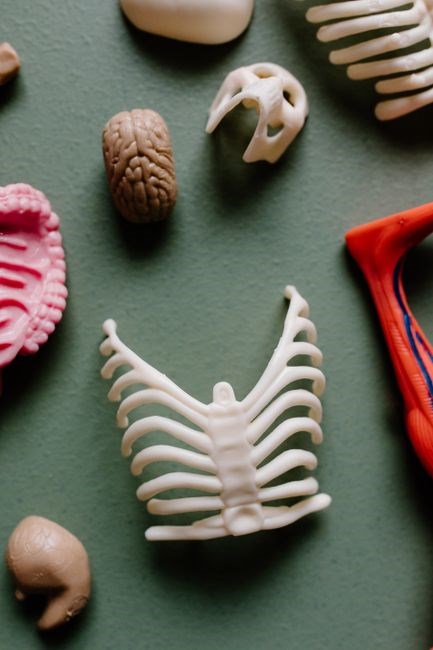
The digestive system transforms food into nutrients that the body uses for energy, growth, and cell repair. It begins in the oral cavity, where chewing and saliva mix food into a bolus that travels down the esophagus by peristaltic waves. The stomach secretes gastric juice—rich in hydrochloric acid and pepsinogen—to break proteins into peptides. The chyme then enters the small intestine, where bile from the gallbladder emulsifies fats and pancreatic enzymes digest carbohydrates, proteins, and lipids. Nutrients are absorbed across the villi into the bloodstream. The large intestine absorbs water and electrolytes, forming feces that are expelled via the rectum. The liver detoxifies substances, produces bile, and stores glycogen. The pancreas supplies insulin and glucagon to regulate blood glucose. The enteric nervous system coordinates motility, while the autonomic nervous system modulates secretion. Common disorders—gastroesophageal reflux disease, irritable bowel syndrome, Crohn’s disease, ulcerative colitis, and pancreatitis—are described with symptoms, diagnostic tests (endoscopy, colonoscopy, imaging), and treatment options. The PDF edition includes interactive diagrams, self‑quiz prompts, and printable worksheets for deeper study.
Additional details: The small intestine’s duodenum receives chyme mixed with bile and pancreatic juices, where most digestion occurs. The jejunum and ileum absorb nutrients, while the colon reabsorbs water and forms feces. The appendix, though vestigial, may play a role in gut immunity. It also supports a healthy microbiome aiding digestion and immunity. and gut.
Endocrine System
The endocrine system orchestrates body functions through hormone secretion. Key glands—pituitary, thyroid, adrenal, pancreas, ovaries, testes, pineal—release peptides, steroids, and amines that travel via blood to target tissues. The pituitary, often called the “master gland,” regulates growth, reproduction, and stress responses by releasing ACTH, TSH, LH, FSH, prolactin, and growth hormone. Thyroid hormones T3 and T4 control metabolism, while the parathyroid glands maintain calcium homeostasis. Adrenal cortex hormones—cortisol, aldosterone, and androgens—manage stress, electrolyte balance, and secondary sexual characteristics. The pancreas produces insulin and glucagon, essential for glucose regulation. Ovarian hormones estrogen and progesterone coordinate the menstrual cycle, whereas testicular testosterone drives male development. The pineal gland secretes melatonin, regulating circadian rhythms. Hormone action follows a ligand‑receptor mechanism, often triggering intracellular cascades that alter gene expression. Negative feedback loops maintain equilibrium; for instance, cortisol inhibits ACTH release. Dysregulation can lead to conditions such as hypothyroidism, Cushing’s syndrome, diabetes mellitus, polycystic ovary syndrome, and Addison’s disease. The PDF edition features interactive hormone charts, self‑assessment quizzes, and printable worksheets for deeper exploration. Annotate directly in the PDF for a cross‑device study online flow !
Immune System
The immune system protects the body against pathogens through innate and adaptive defenses. The innate arm includes physical barriers like skin and mucous membranes, phagocytic cells such as neutrophils and macrophages, and soluble factors like complement proteins and cytokines. Adaptive immunity relies on lymphocytes: B cells produce antibodies that neutralize antigens, while T cells—helper, cytotoxic, and regulatory—coordinate responses and eliminate infected cells. Major organs—bone marrow, thymus, spleen, lymph nodes, and mucosa‑associated lymphoid tissue—serve as sites of lymphocyte development and activation. Antigen presentation by dendritic cells triggers T‑cell activation, leading to clonal expansion and memory formation. The humoral response generates immunoglobulin classes (IgM, IgG, IgA, IgE, IgD) with distinct roles in neutralization, opsonization, and allergic reactions. Cell‑mediated immunity involves cytotoxic T lymphocytes recognizing peptide–MHC I complexes and inducing apoptosis in infected cells. Regulatory T cells maintain tolerance and prevent autoimmunity. Dysregulation can cause immunodeficiencies (e.g., HIV, SCID), hypersensitivities (allergies, asthma), or autoimmune diseases (rheumatoid arthritis, lupus). The PDF edition offers interactive flowcharts of immune pathways, quiz sections for key concepts, and downloadable worksheets for practice. Highlight, annotate, and sync notes across devices for a seamless study experience. Students can also track progress with built‑in metrics and share insights with peers online. All tools sync.
Study Tools and Features
The PDF edition offers interactive chapter quizzes, instant feedback, and a progress tracker. Highlight, annotate, and sync notes across web, tablet, and phone. Built‑in PDF navigation lets you jump to sections, bookmark pages, and export summaries for study sessions. Add flashcards for spaced repetition now.
Chapter Quizzes Online
The quizzes also adapt to the learner’s performance: if a question is answered incorrectly, the system offers an explanation and directs the student to the page where the concept is reviewed. Users can revisit any quiz times, and the system records each attempt, allowing students to track improvement over time. For educators, the platform aggregates class performance data, generating reports that highlight common misconceptions. This data‑driven approach ensures that both individual learners and instructors can focus their efforts where they are most needed. The online quizzes are synchronized with the textbook’s chapter structure, so each question corresponds to a specific page number. When a student selects a quiz, the system automatically highlights the relevant section, making it easy to review before attempting the questions. Additionally, the quizzes include a “review mode” that allows learners to see all questions again, this time with detailed explanations for each answer choice. This feature is particularly useful for reinforcing concepts that are frequently misunderstood. For instructors, the platform provides analytics dashboards that display class‑wide performance metrics, such as average scores, question difficulty ratings, and time spent per quiz. These insights help educators tailor their teaching strategies and identify topics that may need additional emphasis. Moreover, the quizzes are fully accessible to students with visual impairments, offering screen‑reader compatibility and adjustable font sizes. The combination of interactive assessment, instant feedback, and data‑driven analytics makes the chapter quizzes a powerful tool for mastering anatomy and physiology concepts. —!!!
Highlighting and Note-taking Across Devices
Erin Odya’s Anatomy & Physiology All‑in‑One for Dummies offers a seamless, cloud‑based reading experience that lets students highlight text, add sticky notes, and annotate PDFs on any device—desktop, tablet, or phone. The built‑in sync feature keeps every mark in real time, so a note taken on a tablet appears instantly on a laptop, and vice versa. Users can choose from a palette of highlight colors, underline, or strike‑through options, and the system preserves formatting even when the document is exported as a PDF. The annotation tool is fully compatible with accessibility standards, providing screen‑reader support and high‑contrast modes for visually impaired learners. When a student opens the PDF on a mobile device, the layout automatically reflows, ensuring that highlighted passages remain visible and that notes are anchored to the correct page. The platform also supports collaborative annotation, allowing study groups to share comments and questions in a shared workspace. This feature is especially useful for group projects, where peers can tag each other and discuss complex concepts directly on the text. In addition, the note‑taking interface offers a search function that pulls up all highlights and comments across the entire book, making it easy to review key terms or revisit challenging sections. The system’s export options let students download a clean PDF that includes only the original text, embeds all annotations, which is ideal for printing or sharing with instructors. —!!!
PDF Accessibility and Navigation
Erin Odya’s Anatomy & Physiology All‑in‑One for Dummies PDF is engineered for universal access. The file follows the PDF/UA standard, ensuring that screen readers can interpret headings, tables, and figure captions in logical order. Each chapter begins with a clear h1 tag, and sub‑sections use h2 or h3 tags, so navigation panels in assistive software jump directly to the desired topic. The PDF includes a fully functional bookmark tree that mirrors the table of contents; clicking a bookmark instantly scrolls to the corresponding page. Searchability is enhanced by embedding the full text of the book, not just images, so users can locate terms such as “cardiac output” or “gas exchange” with a single keystroke. Alt‑text descriptions accompany every diagram and illustration, providing context for users who rely on audio output. The document’s color contrast meets WCAG 2.1 AA guidelines, making it readable for individuals with low vision. Additionally, the PDF supports adjustable text size and zoom levels without loss of layout integrity, allowing readers to enlarge content while preserving the relative positions of text and images. For mobile readers, the file is optimized for reflow, so the text adapts to the screen width and the user can swipe through pages or use the “continuous” view mode. The navigation toolbar includes quick‑access buttons for “next page,” “previous page,” “go to page,” and “search,” streamlining the reading experience. Finally, the PDF can be exported to EPUB or plain‑text formats, giving educators and students the flexibility to use the material in a variety of learning environments. All free now!!!